At DataTalks.Club free Zoomcamps, I encourage participants to share their learning progress publicly: post their learning notes, code, and projects on LinkedIn, Medium, or other online platforms. I’ve noticed that those who share their progress tend to stay more engaged and gain benefits beyond just the course. Many podcast guests have also spoken about the advantages of publicly sharing work.
Over the years, I’ve interviewed over 200 practitioners and learners, many of whom explained how sharing their work publicly affected their learning and career growth. In this post, I summarize the benefits of learning in public and why it works based on experiences of my students and podcast guests.
Here are the podcast episodes referenced throughout this post:
- Learn in Public: Personal Branding & Career Marketing for Developers with Shawn Wang (Creator of the Latent.Space)
- Master Technical Writing: 7-Day Workflow to Accelerate Your Data Science Career with Eugene Yan
- Build a Personal Brand: Publish on LinkedIn/Medium, Grow Audience, Monetize with Online Courses with Admond Lee Kin Lim
- From Developer to Startup Founder: Building a Career Through Open Source with Will McGugan
- From Medicine to Machine Learning with Pastor Soto (Zoomcamp Graduate)
- From Classical Guitar to Production ML with Dashel Ruiz Perez (Zoomcamp Graduate)
- How to Teach Yourself Bioinformatics & ML with Aaisha Muhammad (Zoomcamp Graduate)
- From Radio Astronomy to Applied ML with Daniel Egbo (Zoomcamp Graduate)
Benefits of Learning in Public
- Visibility and Career Opportunities: You increase the chance that recruiters, employers, or collaborators notice your work and reach out with opportunities you did not actively seek.
- Faster Skill Development: Explaining what you learn in public forces you to clarify your understanding, identify knowledge gaps, and internalize concepts more effectively.
- Feedback and Peer Learning: Public learning invites feedback from others working on similar problems, which helps you correct mistakes and learn alternative approaches.
- Credibility Over Time: Consistent public sharing builds a track record that signals competence and reliability, making others more likely to trust your skills.
- Accountability and Motivation: When progress is visible to others, it creates external pressure that helps you stay consistent and complete long or challenging learning goals.
- Support When You’re Stuck: Sharing difficulties openly increases the likelihood of receiving timely help and reduces the isolation that often slows learning.
- A Visible Portfolio: Public artifacts such as posts, code, or projects provide concrete evidence of your skills that others can directly evaluate.
- Beyond Jobs: Unexpected Opportunities: Learning in public can lead to unplanned outcomes such as collaborations, speaking invitations, or business opportunities that would be unlikely through private learning alone.
Let’s cover each of them in more detail.
1. Visibility and Career Opportunities
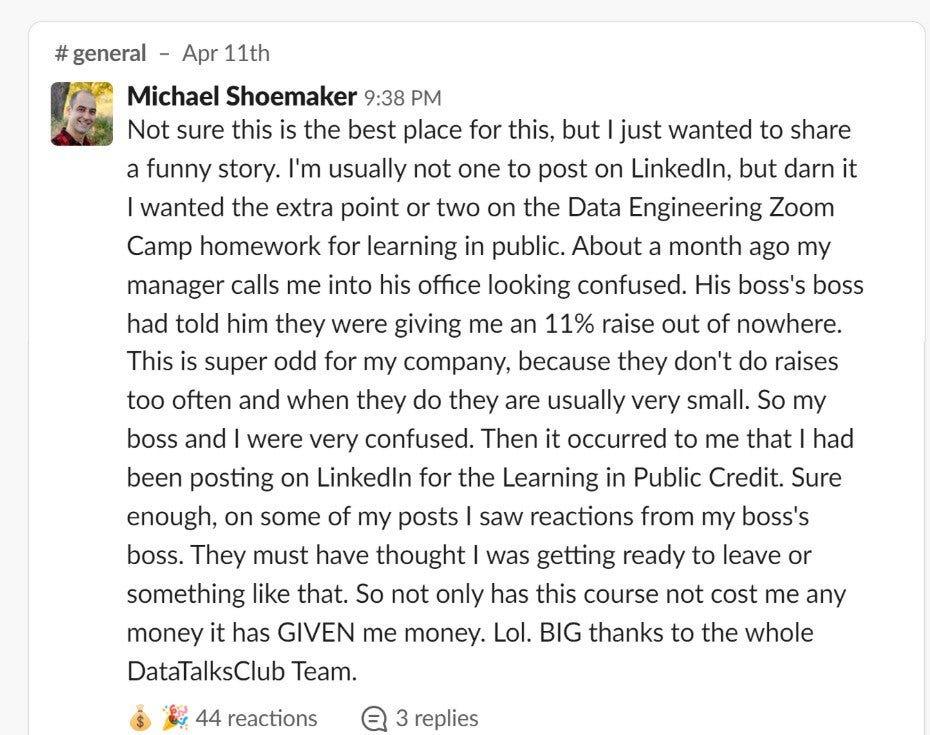
Learning in public makes your work visible.
Shawn Wang, a software engineer and developer advocate known for his writing on careers and learning, popularized the term “learning in public.” He says if you stay invisible, opportunities go to someone else. Publishing your work does not guarantee outcomes, but it increases the chance that the right people see what you can do.
Pastor Soto joined ML Zoomcamp as a medical student with no prior industry role and no LinkedIn presence. During the course, he started sharing his learning progress publicly. Without applying anywhere, recruiters started to notice his profile and reached out to him, including one from Meta.
Admond Lee Kin Lim, a machine learning engineer and frequent writer on applied ML, made a similar observation. He noted that hiring managers are more likely to remember candidates who consistently publish relevant work because it shows evidence of skills beyond a resume.
2. Faster Skill Development
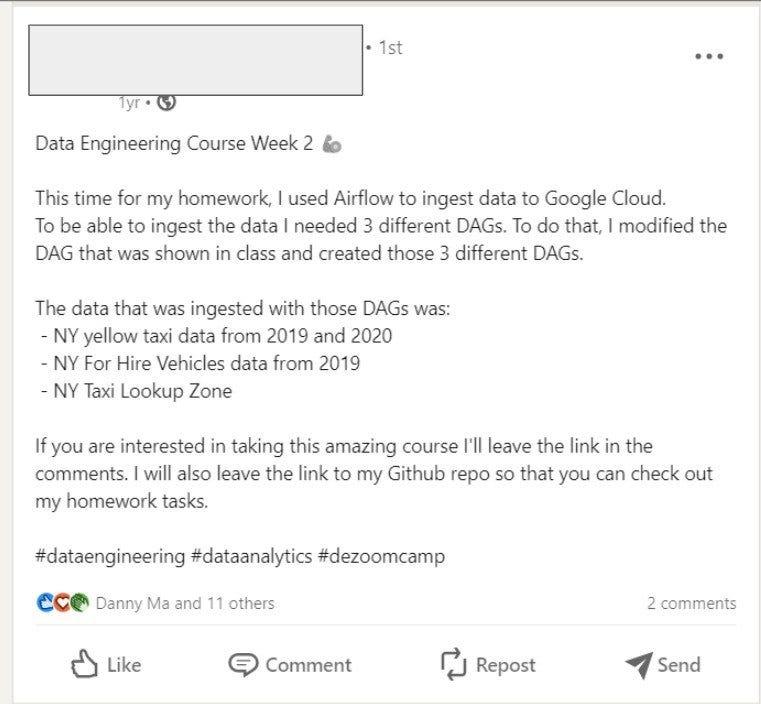
Writing forces precision.
Eugene Yan, a senior applied scientist who regularly publishes long-form technical essays, described writing as both a learning and validation tool. When you try to explain something publicly, gaps in understanding become obvious. His rule is straightforward: if you can’t explain it clearly, you probably don’t understand it yet.
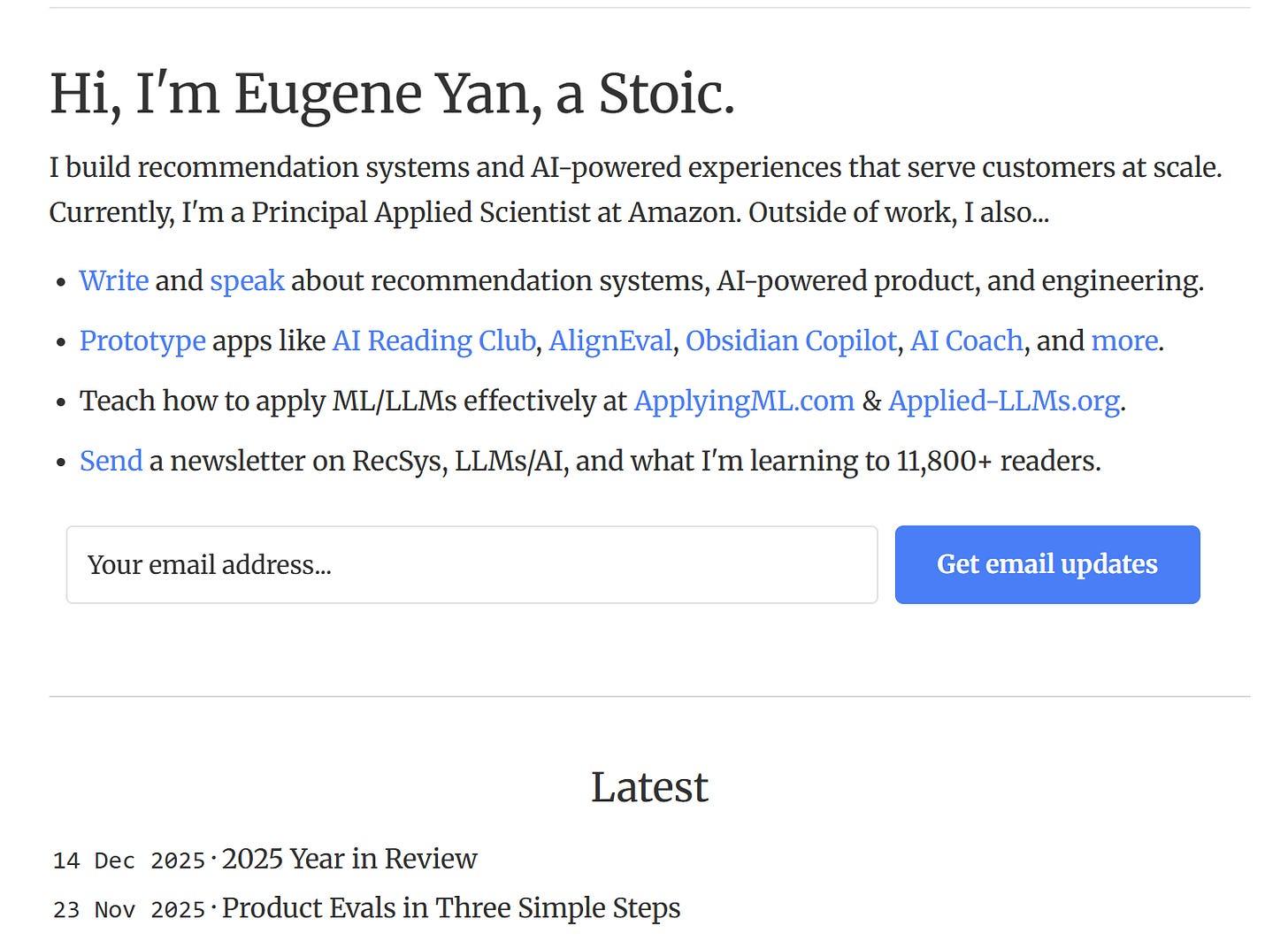
Pastor Soto experienced this from a learner’s perspective. Turning personal notes into public explanations pushed him to properly understand topics like evaluation metrics instead of skimming them. Admond Lee Kin Lim shared the same pattern: publishing forces you to double-check assumptions and sharpen your technical reasoning.
3. Feedback and Peer Learning
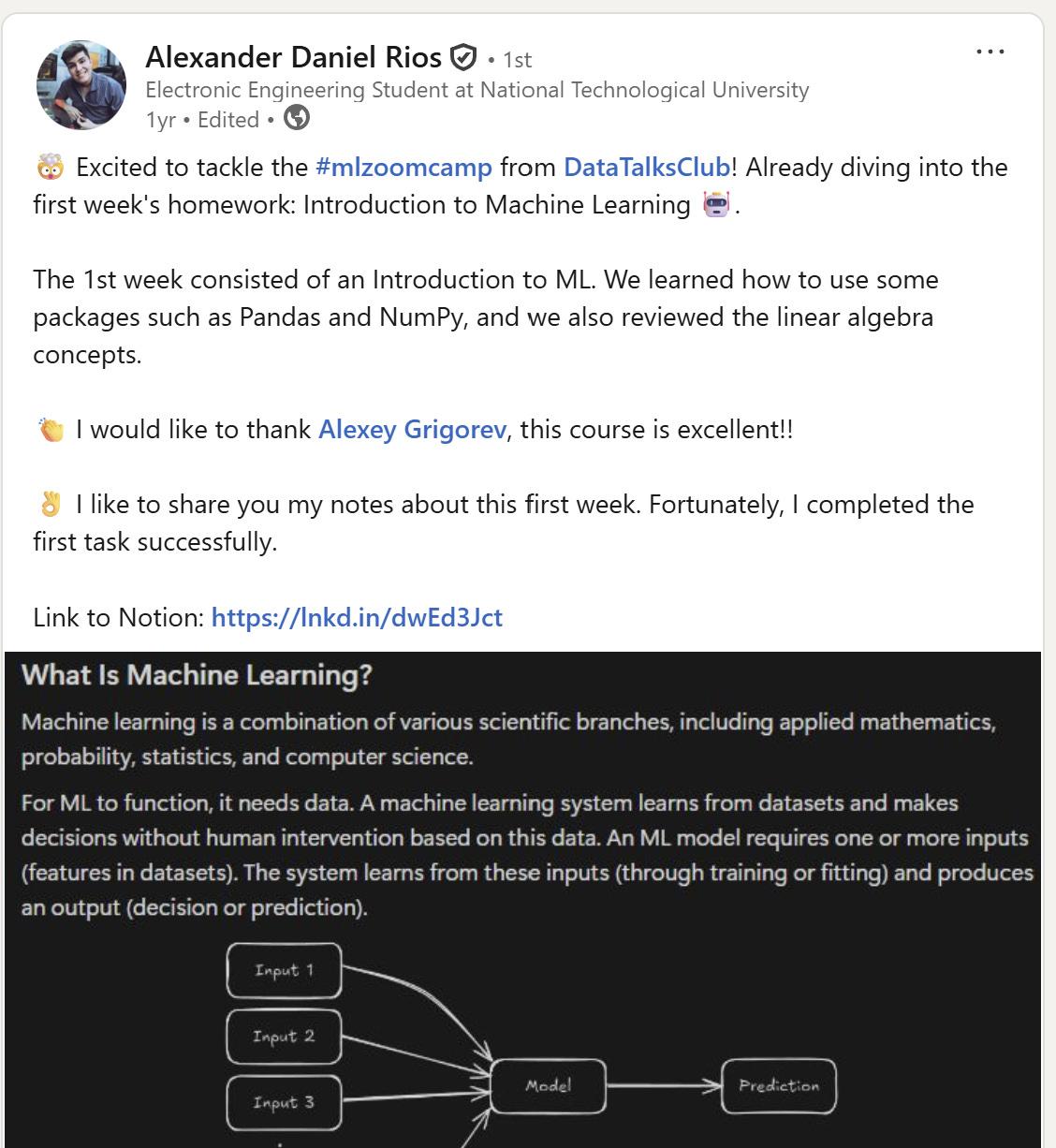
Publishing attracts people working on similar problems.
Will McGugan, an open-source developer and founder, shared that posting small, incremental updates about his projects slowly brought in people interested in the same technical challenges. That led to regular feedback and idea exchange without any deliberate networking.
Eugene Yan described public writing as a signal. It shows what you’re interested in and what you’re actively working on. The right people tend to respond.
Within Zoomcamps, Dashel Ruiz Perez pointed out that seeing others share progress in Slack made learning feel collective rather than isolating. You’re no longer solving problems alone.
4. Credibility Over Time
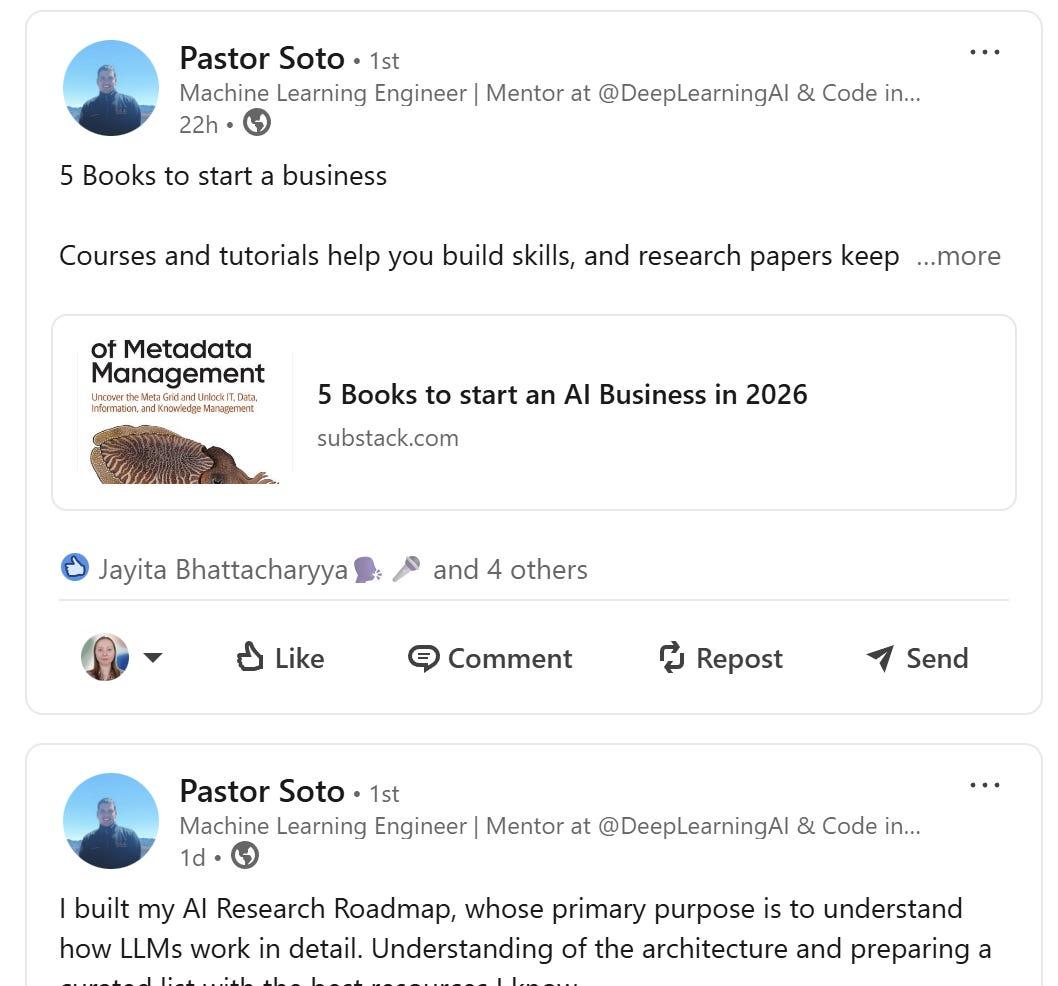
Learning in public builds credibility gradually.
Admond Lee Kin Lim says that personal branding comes from repeatedly helping others by sharing what you learn. Over time, people associate your name with specific topics.
Shawn Wang made a similar argument. Blog posts, talks, and repositories act as durable proof of competence. They continue to work even when you’re not actively networking.
Pastor Soto noticed a shift in perception as well. Publishing explanations changed how others saw him, from “student” to someone who could apply and explain concepts, which directly influenced recruiter interest.
5. Accountability and Motivation
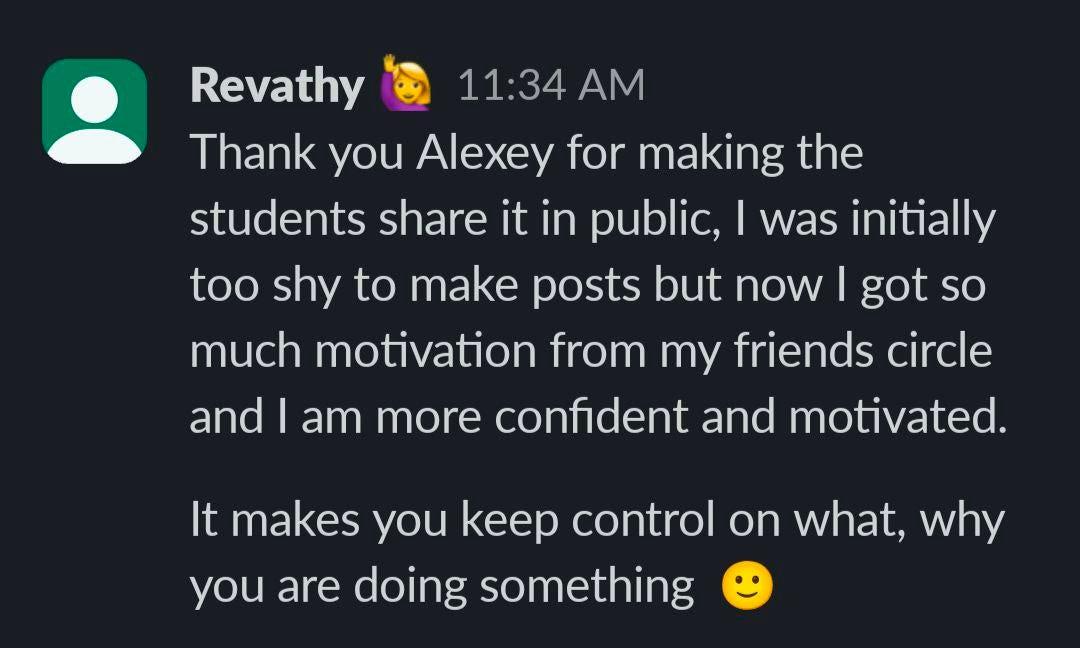
Public learning adds light external pressure.
That is important for long courses like Zoomcamps. Dashel Ruiz Perez explained that seeing regular updates from peers helped him stay consistent through a demanding Zoomcamp. It showed that progress was possible and worth sticking with.
Aaisha Muhammad, another ML Zoomcamp graduate, mentioned leaderboards and visible progress nudged her to finish assignments she might otherwise postpone.
6. Support When You’re Stuck
Sharing struggles publicly often leads to faster solutions.
Dashel Ruiz Perez advised learners not to “miss the community.” Posting blockers or questions often revealed that others were facing the same issues.
Pastor Soto also shared imperfect or partially incorrect explanations. The discussions that followed helped him correct mistakes and deepen his understanding. Learning in public turned problems into shared problem-solving instead of private frustration.
7. A Visible Portfolio
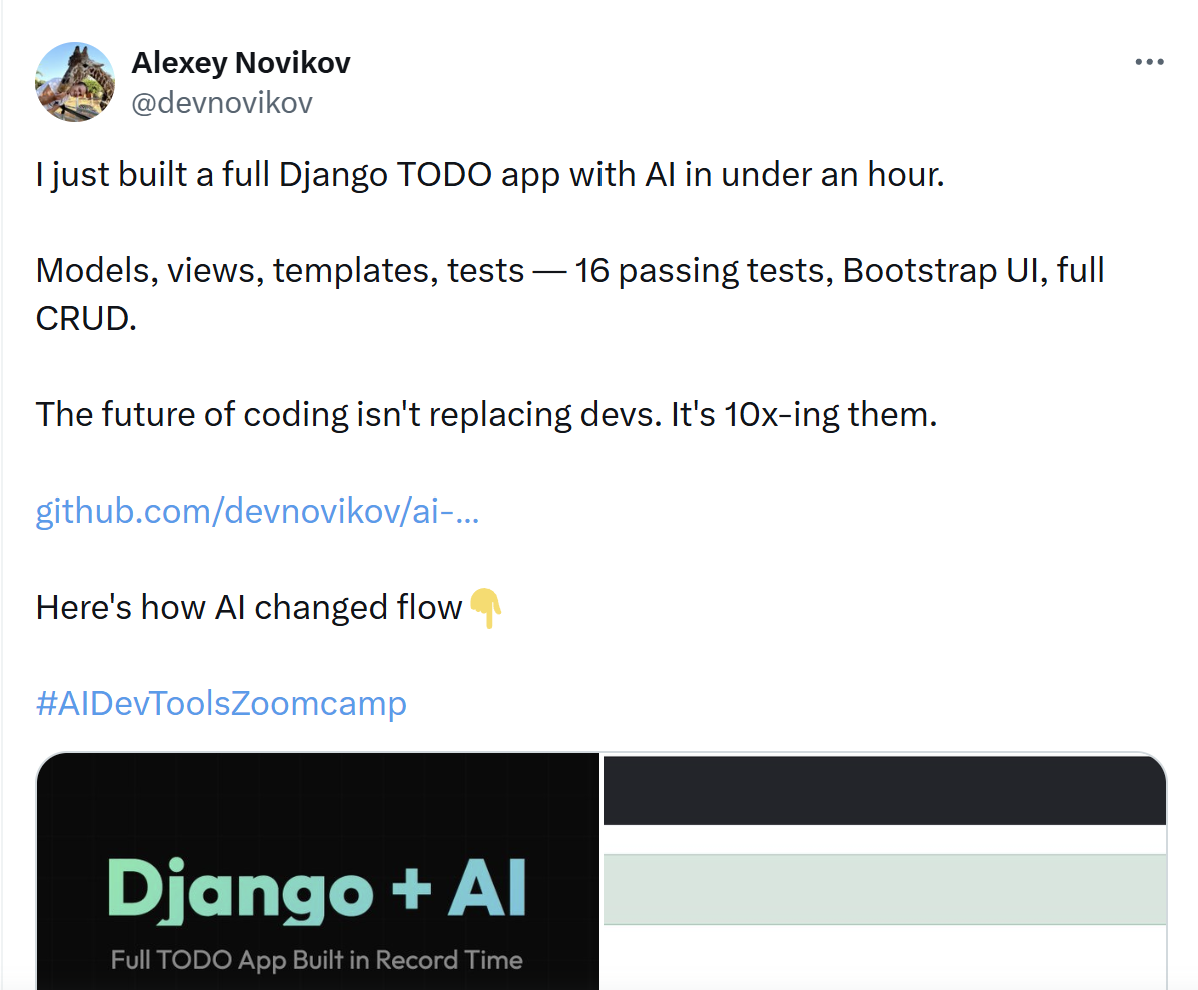
Learning in public naturally creates artifacts.
Daniel Egbo, an ML Zoomcamp participant who regularly shared his work, encouraged learners to publish notebooks, repositories, and analyses even if they felt basic. Visible work is more convincing than claims like “I know machine learning.”
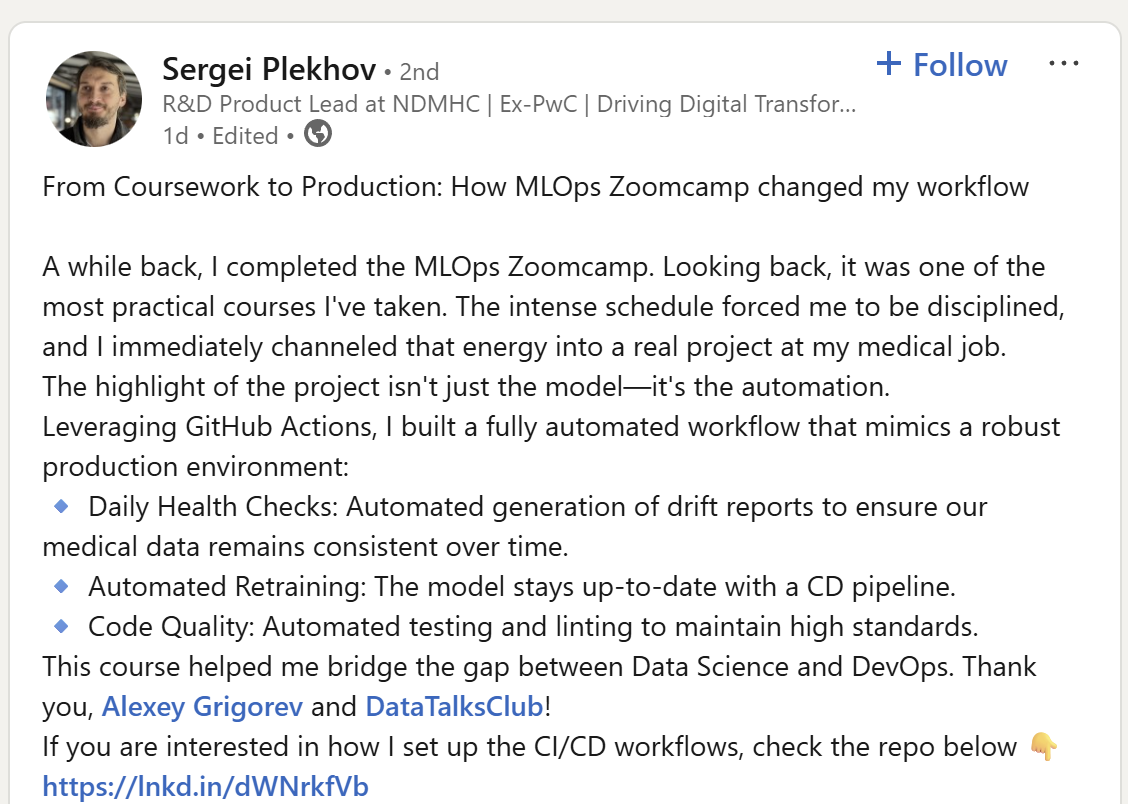
For Zoomcamp participants, shared projects often became concrete proof of applied skills when applying for jobs or further studies. Eugene Yan’s blog posts and Pastor Soto’s LinkedIn updates work the same way: they show what someone can actually do.
8. Beyond Jobs: Unexpected Opportunities
Sometimes, learning in public leads to outcomes you didn’t plan for.
Will McGugan shared how public demos of his open-source work attracted unexpected investor attention. One widely shared post led to inbound outreach from venture capitalists and eventually a pre-seed funding round.
This is not something you can optimize for directly. But public works increase the surface area for these opportunities to occur.
Project Idea: Treat Your Social Media as a Side Project
If you’re inspired by learning in public, publishing online can be a worthwhile career project. It forces you to think more clearly about your work and leaves a visible record of what you’ve learned over time.
The key is to treat publishing the same way you would treat a side project: with a goal, simple rules, and regular feedback.
Best practices for efficiency
- Batch work: write 2-3 short posts in one sitting instead of writing from scratch each time.
- Write right after doing the work: notes taken immediately after an assignment or bug fix require less effort than writing later.
- Reuse content: one assignment can become a short post, a code snippet, or a video overview.
- Keep posts short: one idea per post is enough.
Action steps for the next week
- Pick one platform and commit to it for now
- After your next learning session, write rough notes for 2-3 potential posts
- Turn those notes into short drafts in one sitting
- Schedule or save them as drafts instead of publishing immediately
- Publish one post this week and keep the rest for later
Learning in public doesn’t guarantee outcomes. But by batching and reducing effort, you make publishing easy enough to stick with, and that’s what makes it useful over time.